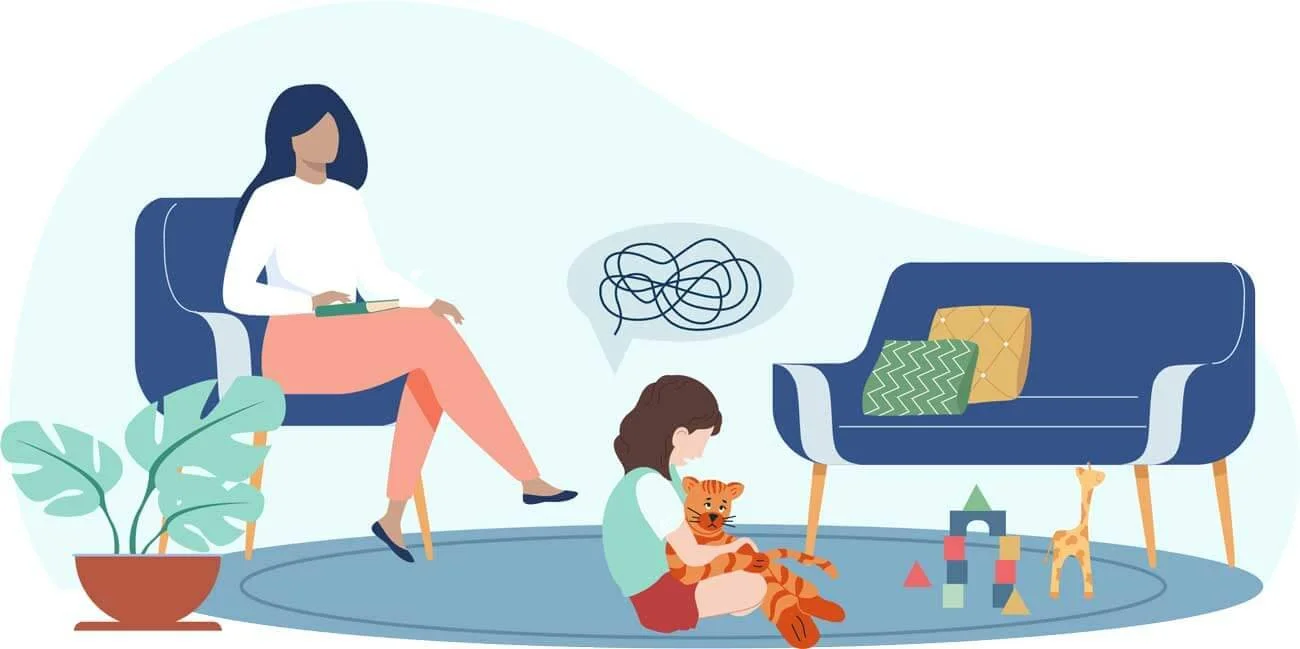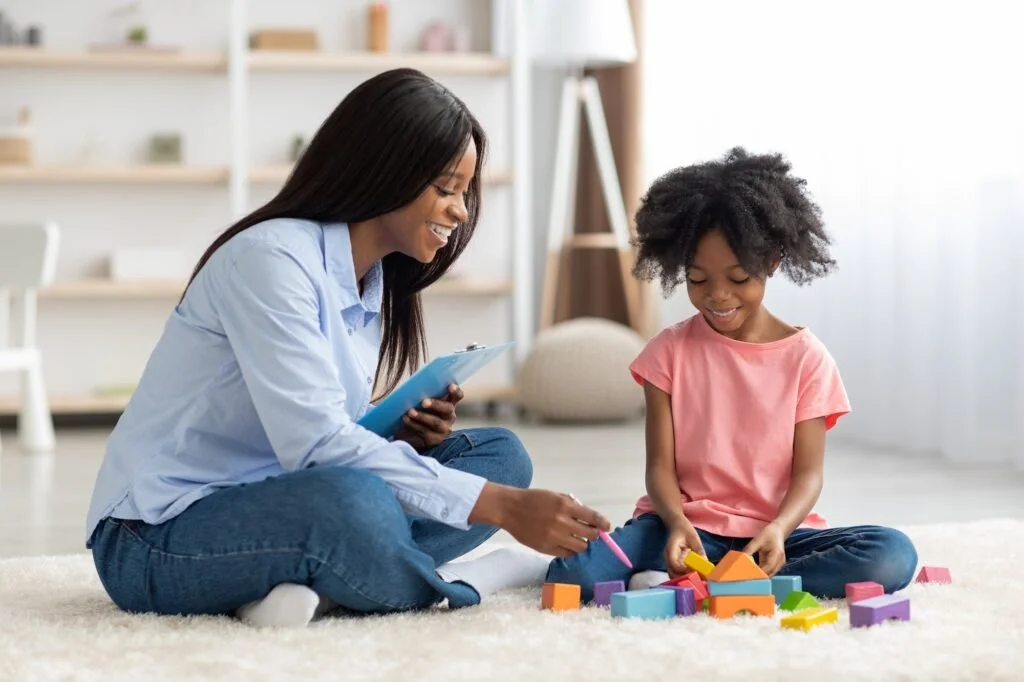
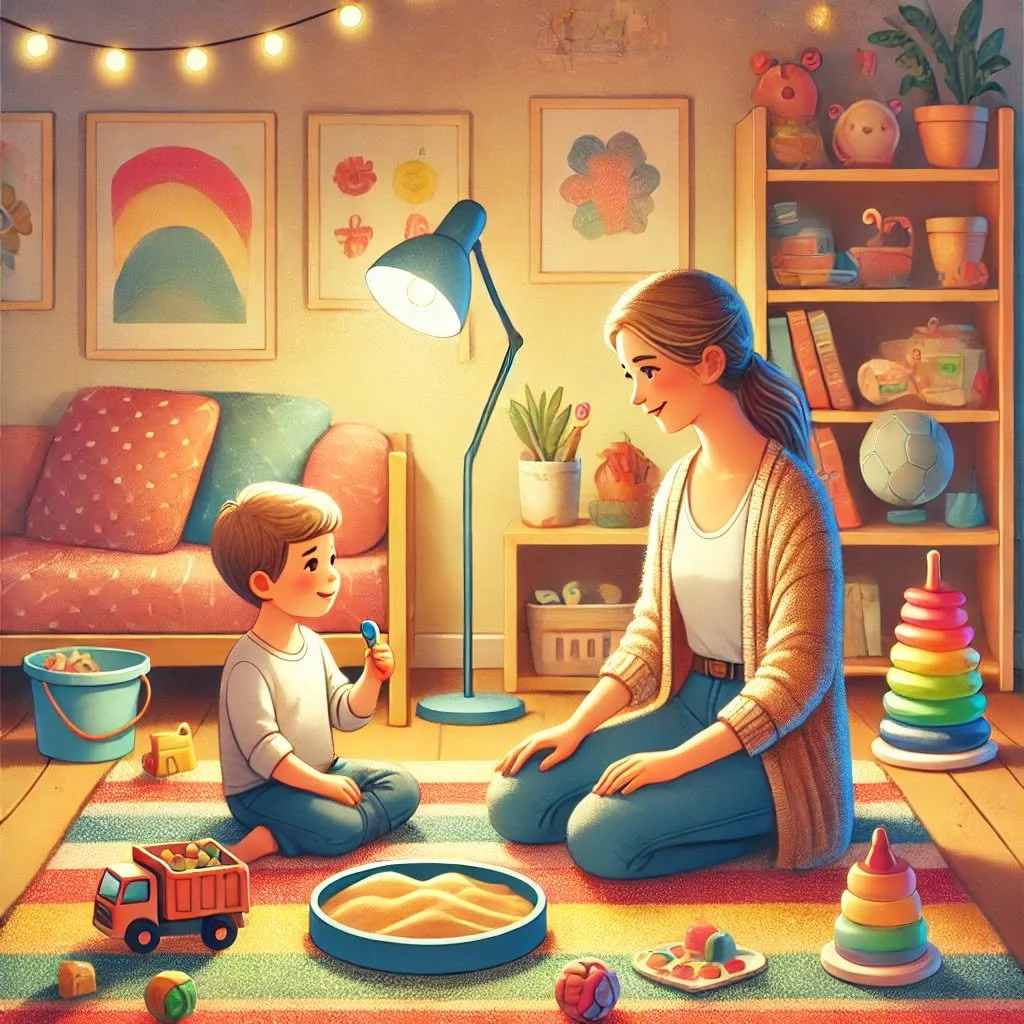
Play therapy provides children with a safe and supportive space to express feelings, process experiences, and build healthy coping skills through the natural language of play.

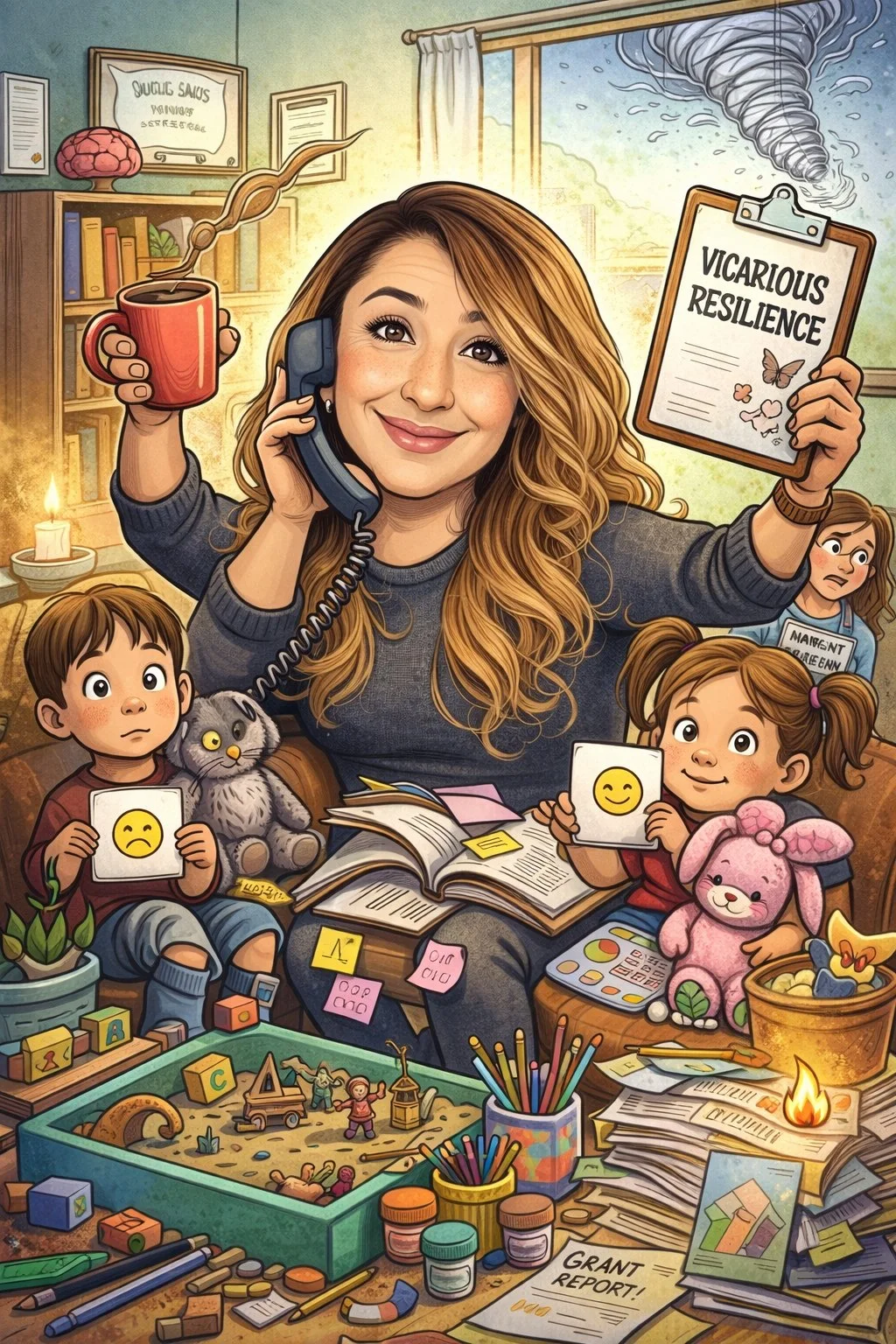
What is playtherapy?
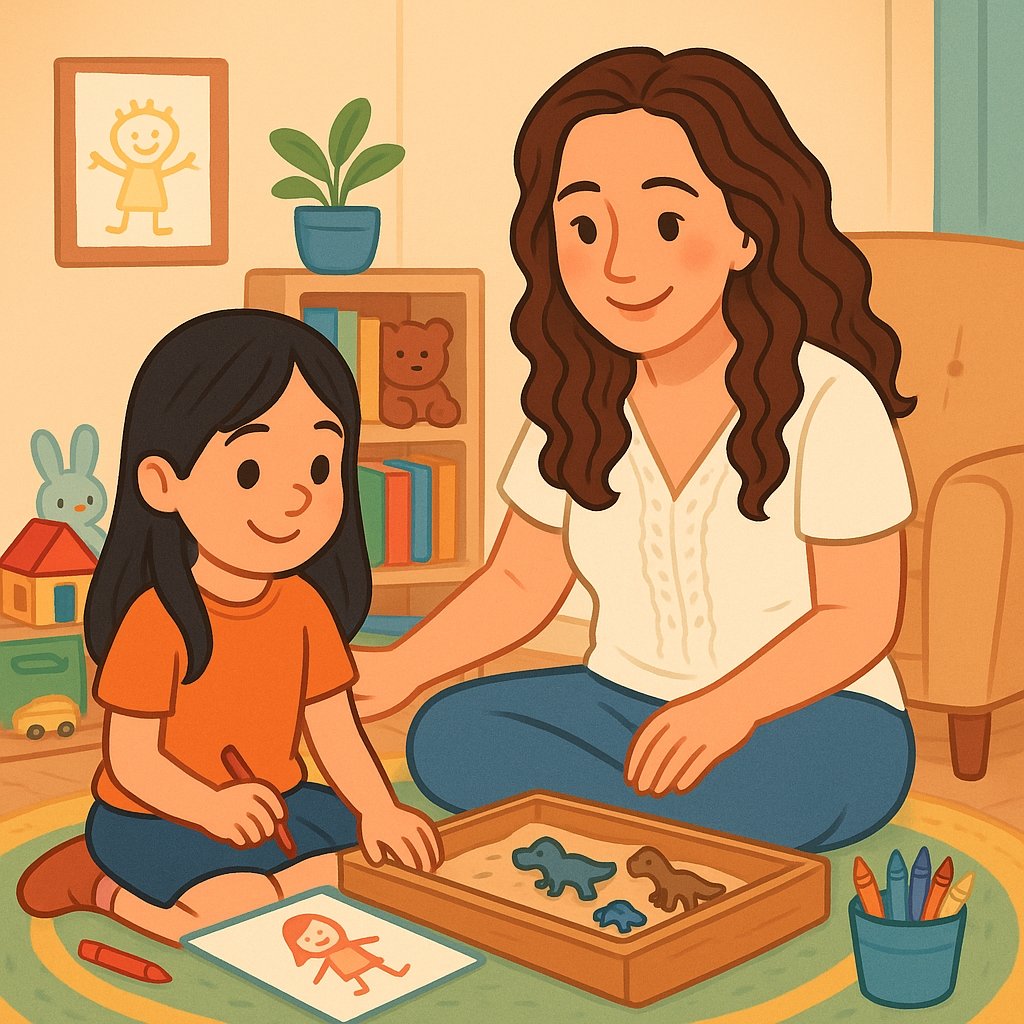
Play therapy is a developmentally appropriate form of counseling designed primarily for children. Because many children do not yet have the words to fully explain their thoughts and emotions, play therapy allows them to communicate through toys, art, storytelling, and imaginative play. In a safe and structured environment, the therapist observes and gently guides the play process to help children explore emotions, process experiences, and develop healthier ways of coping.
Children often don’t yet have the words to explain their feelings—play therapy gives them a safe and natural way to express themselves through play.
How Playtherapy Helps Children
Play therapy can help children learn to understand and manage their emotions while strengthening their sense of safety and confidence. Through play, children can express feelings they may not be able to verbalize, work through difficult experiences, and develop problem-solving and social skills.
Play therapy may support children who are experiencing:
Anxiety or excessive worry
Trauma or difficult life events
Behavioral challenges
Grief or loss
Family transitions such as divorce or relocation
Difficulty expressing emotions
Social or school-related concerns
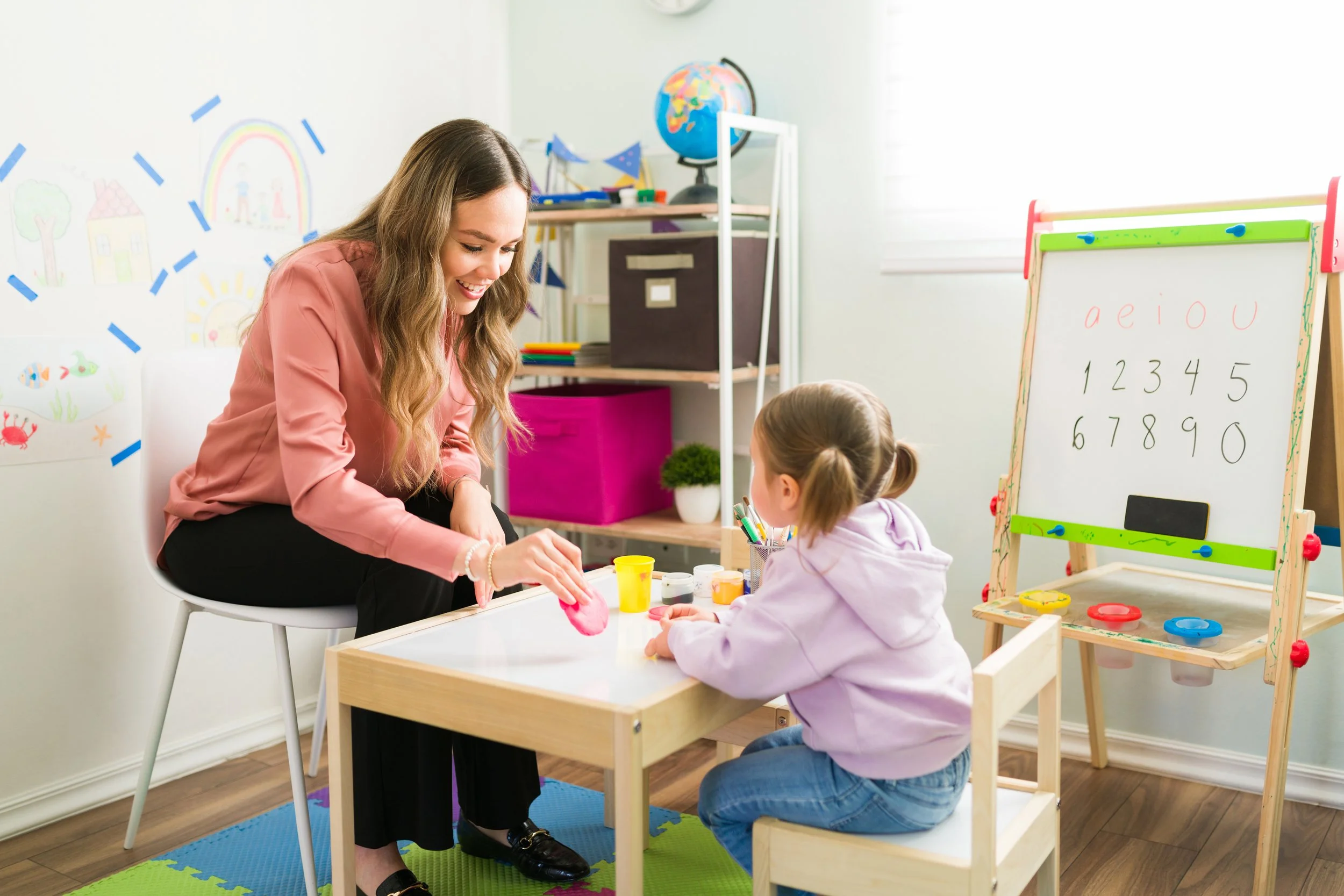
Play therapy sessions often look different from traditional counseling because children communicate and process experiences through play rather than conversation alone.
In a supportive environment, children use toys, creative materials, and therapeutic activities to safely explore emotions and experiences, while the therapist gently guides the process. Because play is a child’s natural way of learning and communicating, this approach helps children build emotional regulation, strengthen relationships, and develop resilience.